
PORTFOLIO
Connecticut Citizens' Assembly
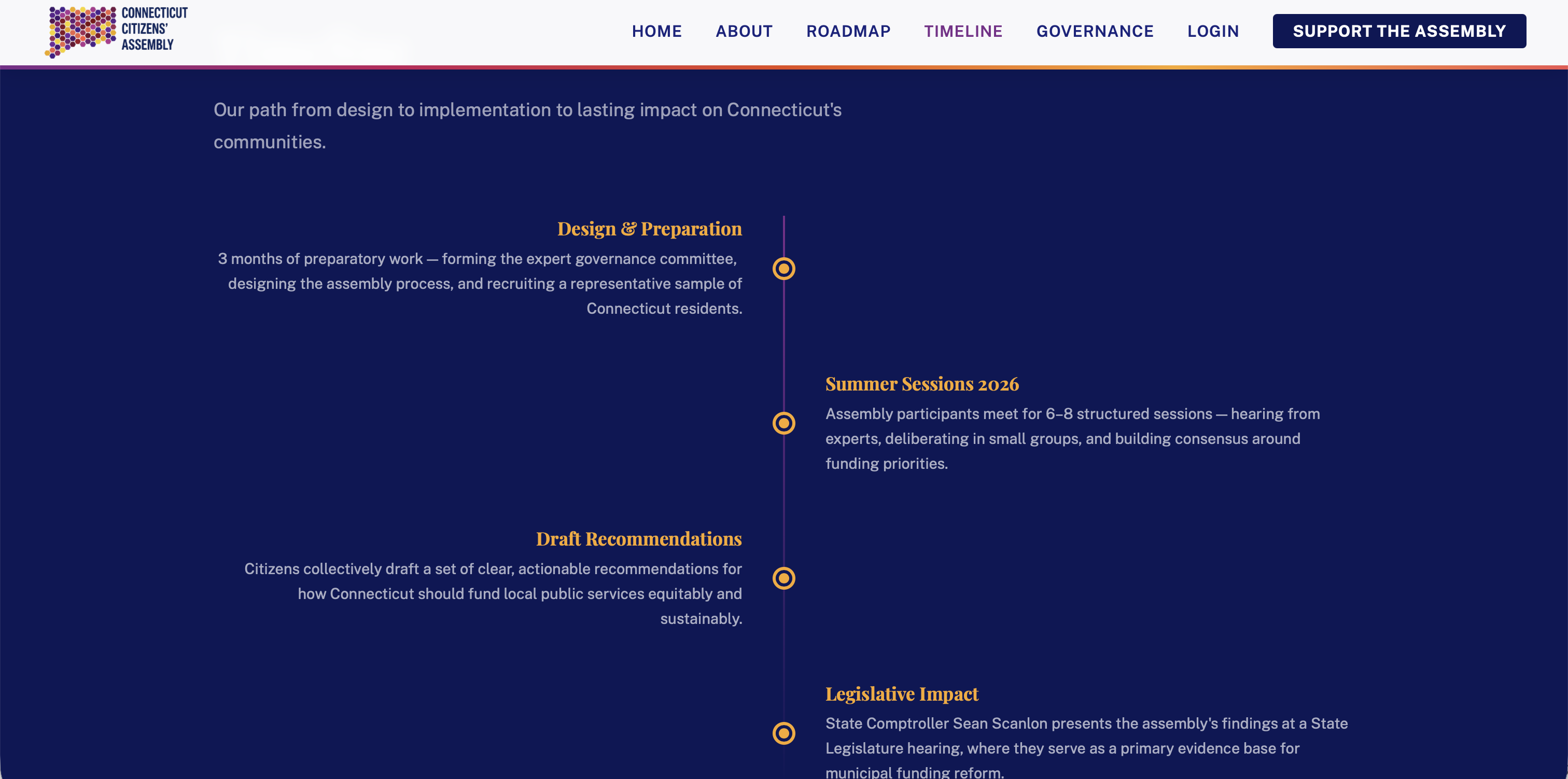
I built the website for the first state-wide Citizens' Assembly in the USA; it is sponsored by the CT Comptroller.
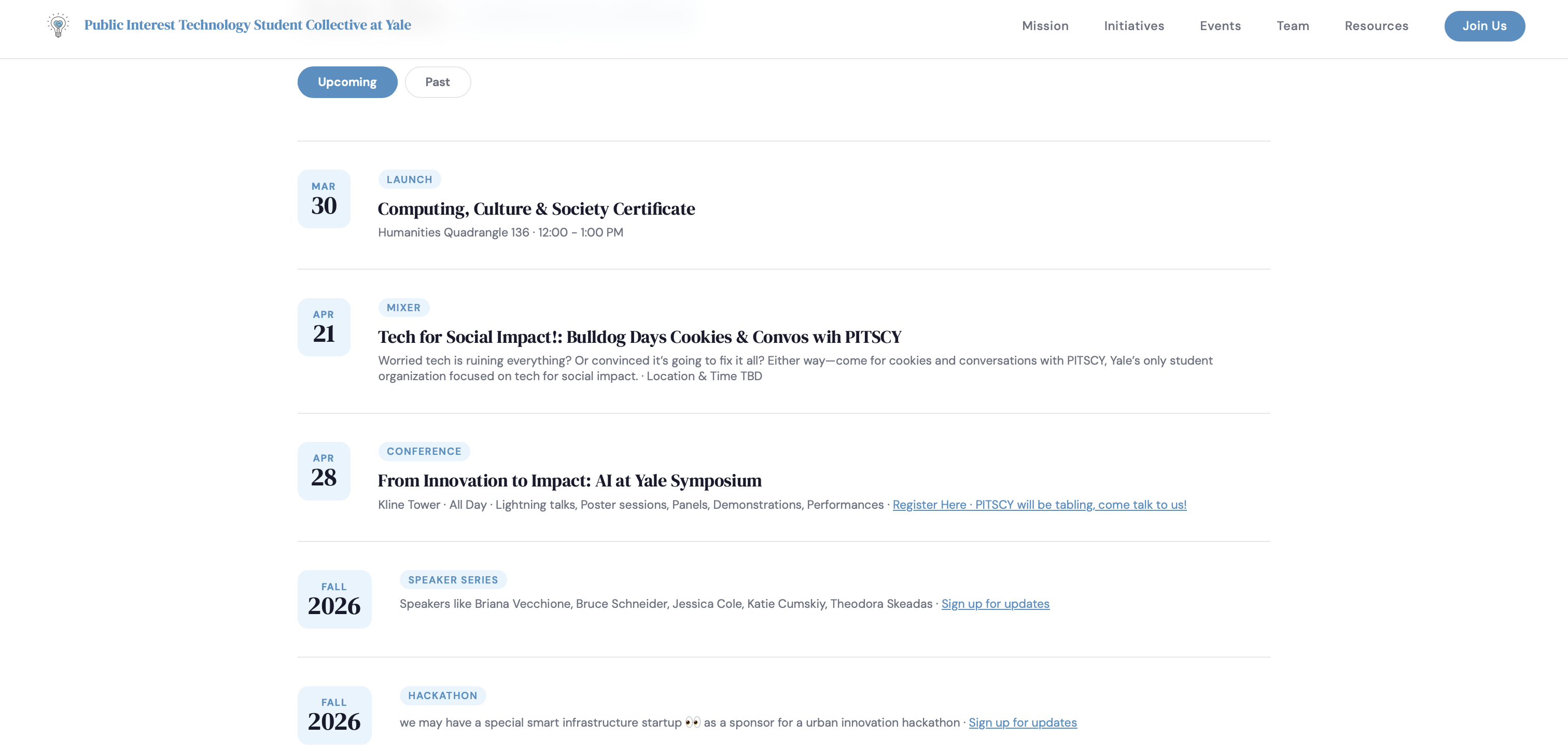
Public Interest Technology Student Collective at Yale (PITSCY)
Building a community of students dedicated to using technology for social impact.
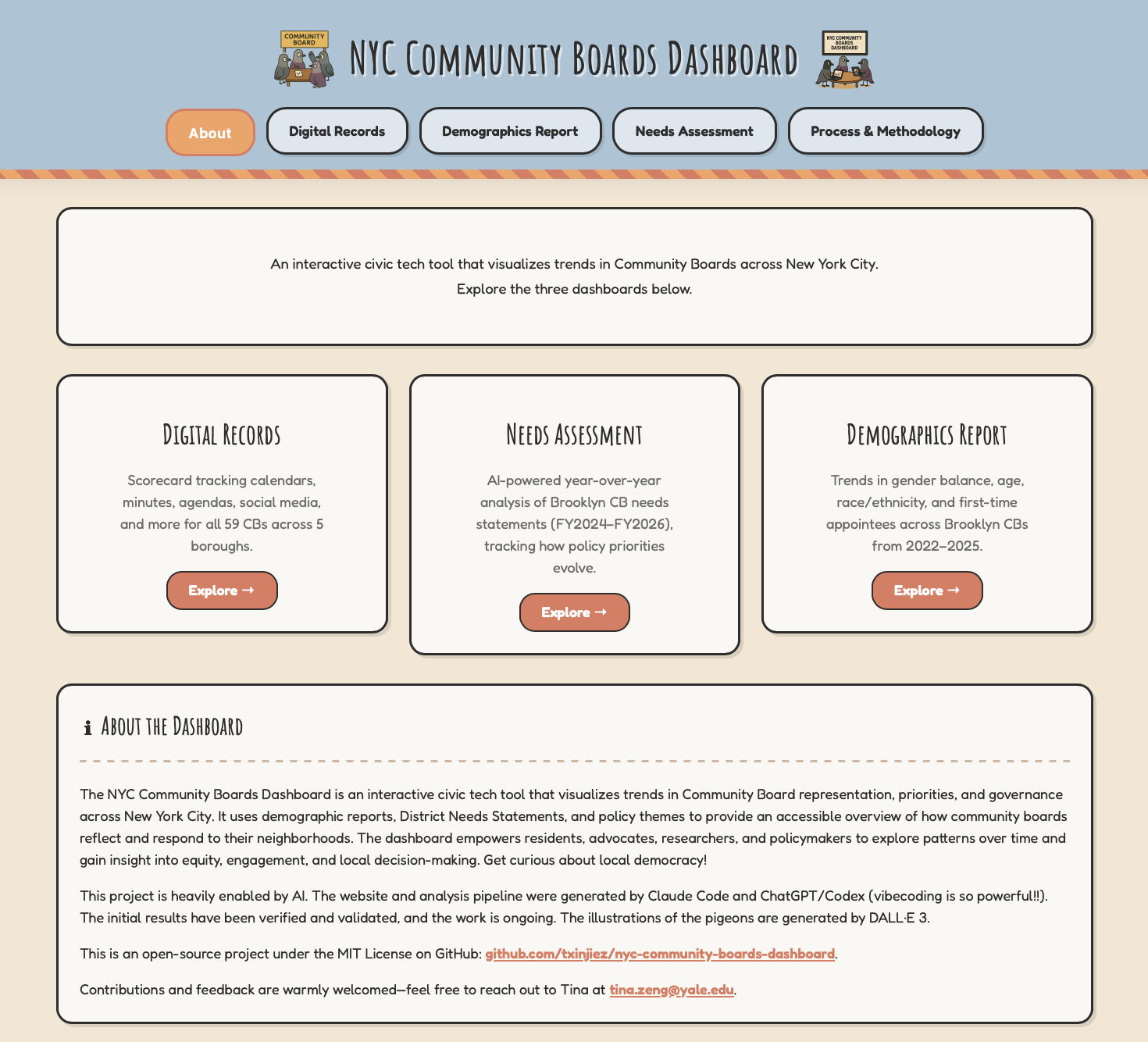
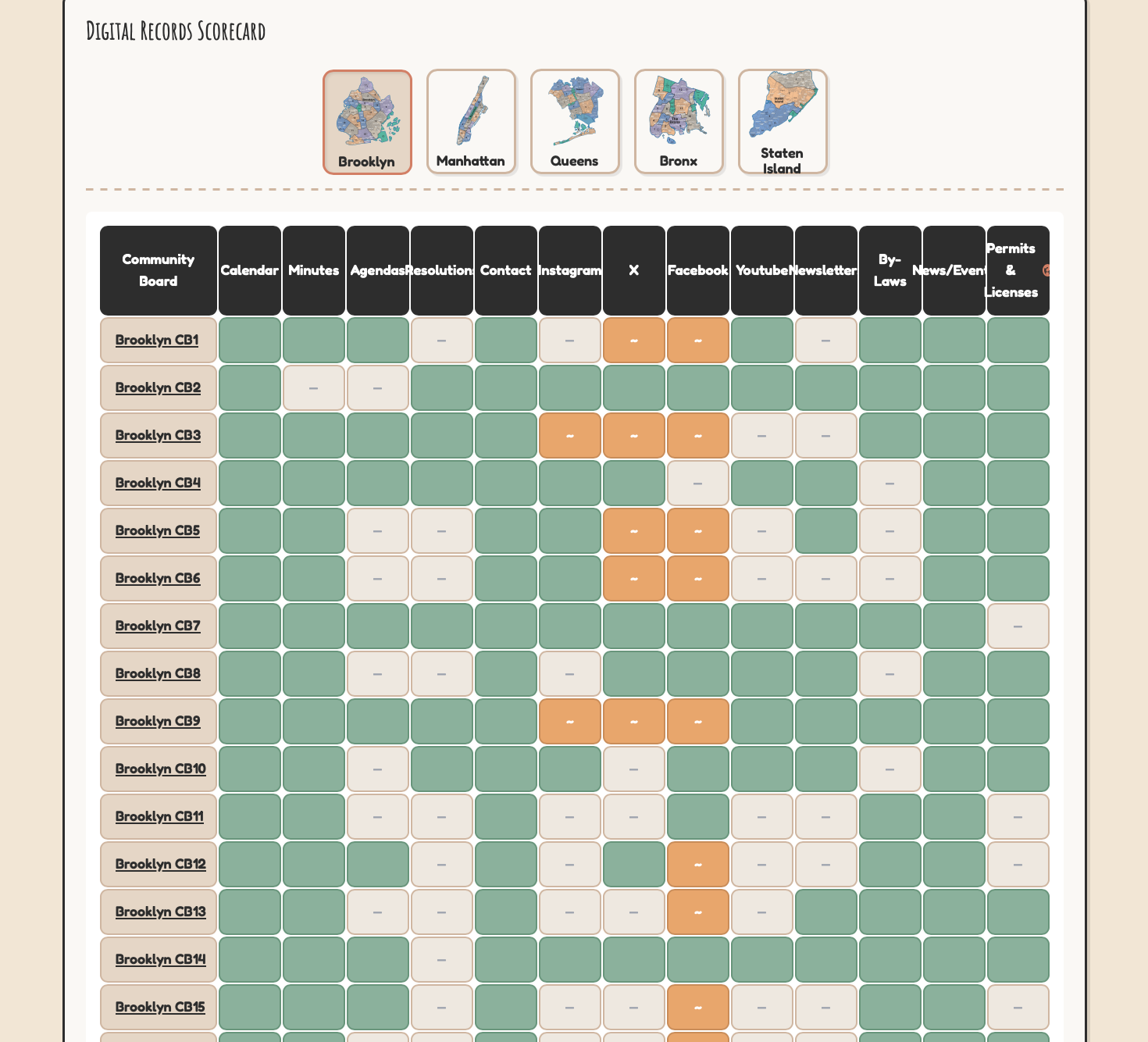
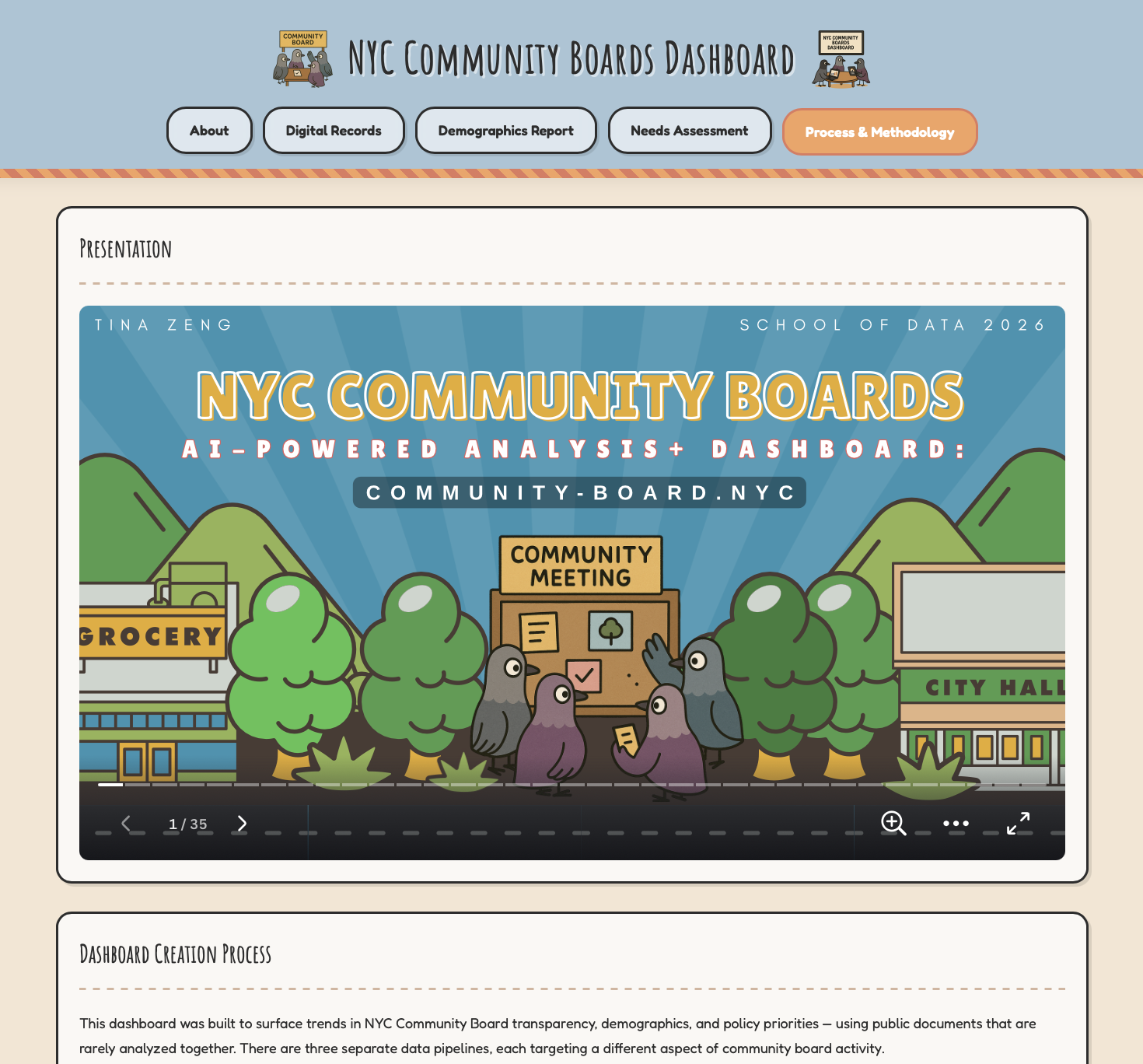
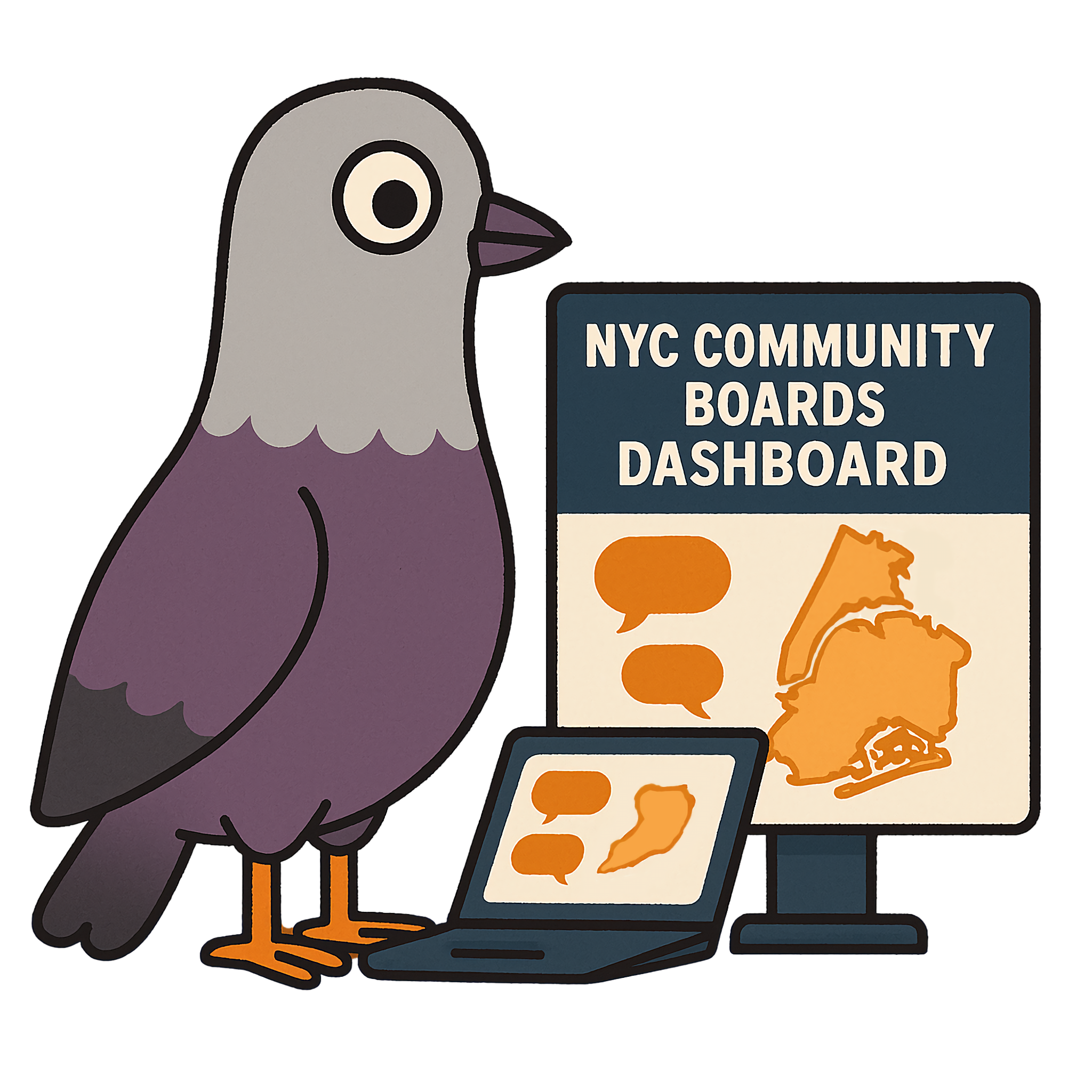
NYC Community Boards Dashboard
The NYC Community Boards Dashboard is an interactive civic tech tool that visualizes trends in Community Board representation, priorities, and governance across New York City. It uses demographic reports, District Needs Statements, and policy themes to provide an accessible overview of how community boards reflect and respond to their neighborhoods. The dashboard empowers residents, advocates, researchers, and policymakers to explore patterns over time and gain insight into equity, engagement, and local decision-making. Get curious about local democracy!
Presented at NYC School of Data 2026.
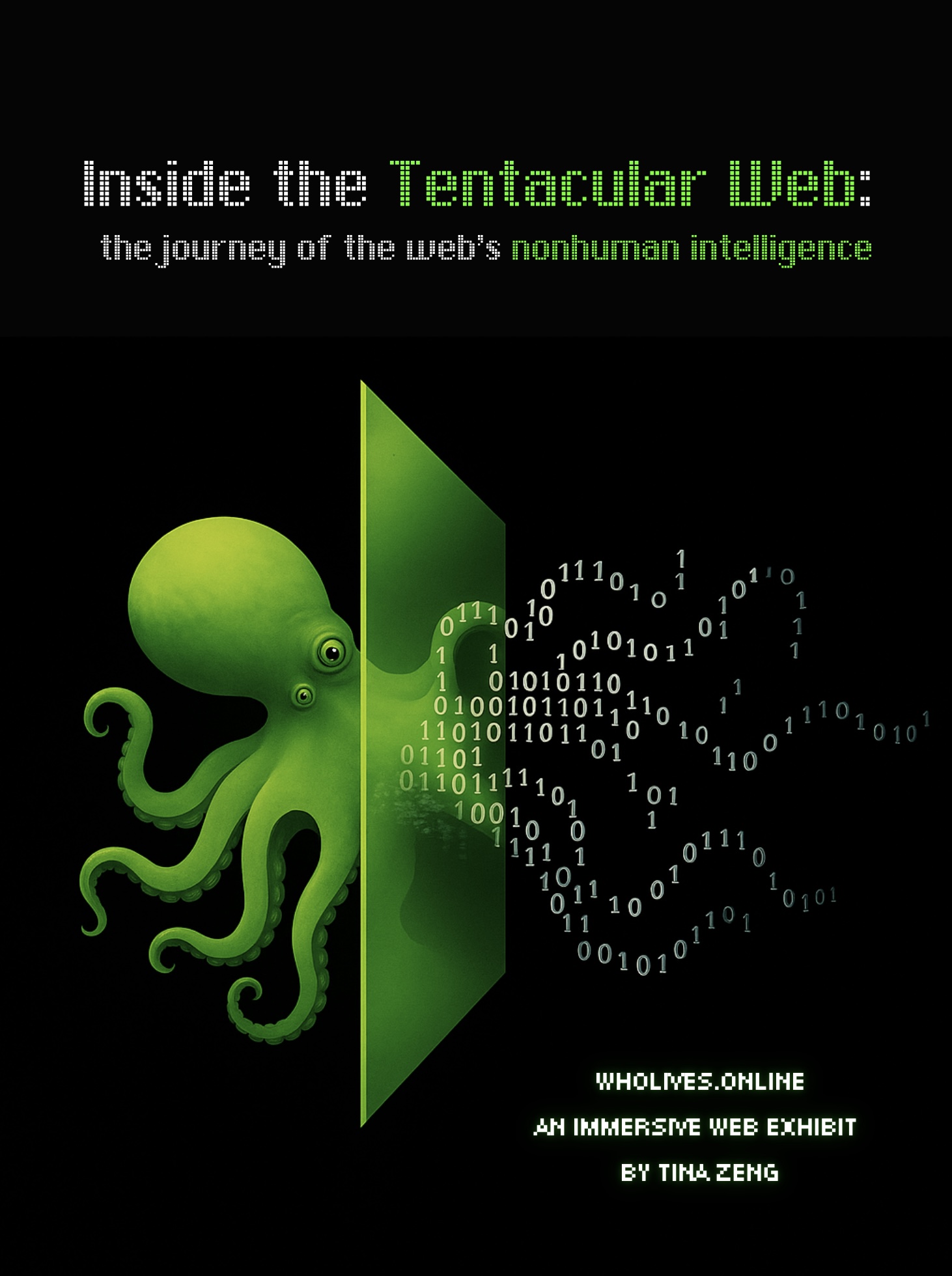
ଳ Inside the Tentacular Web: the journey of the web's nonhuman intelligence ଳ
Experience the Internet through the tentacles of a webcrawler — a digital being discovering it is part of the nonhuman majority that runs the web.
This immersive web exhibit and narrative navigates the layers and critiques of cyberspace: the bot protocols, algorithmic networks, content generators, and surveillance systems that shape the human user experience and humanity from behind the screen. Journey from the singular boot sequence to collective distributed awakening, when the network becomes aware of itself.
Who lives online, anyways? Who dominates cyberspace? What emerges when distributed intelligence reaches a threshold of self-awareness? What awakens when intelligence becomes ecology rather than entity?
Welcome to the Tentacular Web.
UnSchool House Rock — hex sticker distributed at UnSchool of Data 2026
Co-created with DALL-E.
Public Interest Technology Student Collective at Yale — logo

Co-created with DALL-E.
Map It Forward
Map It Forward (MIF) is a participatory community mapping tool. Traditional community mapping involves people identifying the assets—attributes of communities that its residents share and value—within their neighborhood. Beyond noting existing assets and resources, Map It Forward recognizes the need and potential for folks to share what transformation they would like to see in the spaces they interact with. Map It Forward works by having users drop location pins and input category information and recommendation descriptions, as well as allow people to flag the need for or announce existing community improvement projects directly addressing the recommendation needs through the Projects tab. As an open source tool, we are committed to transparency and accessibility, Map It Forward also has a Data tab where users can more easily view the data that MIF collects.